


Firefighter Interview Prep: How to Prepare for Your Oral Board
 Firefighter Interview Prep: How to Prepare for Your Oral Board
Practicing for your firefighter oral board ahead of time will help you feel more prepared. Research your chosen department and practice answering mock questions aloud. Your firefighter panel interviewer will observe qualities such as communication, problem-solving, and teamwork skills. But the exact format of the interview depends on the department.
JobTestPrep's AI firefighter interview prep offers a full mock oral board or individual questions, with personalized, scored feedback on your answers. By practicing aloud, our mock tests simulate a real oral board interview and help you identify where your responses lack detail, are unclear, or fail to communicate what you’re trying to say effectively.
See what's included in our Firefighter Interview Prep.
Video: the Firefighter Interview Simulation

24hr support

Money-back

SSL secured
Where Does the Interview Fit in the Firefighter Hiring Process?
A firefighter oral board, also known as a structured panel interview, is a stage of the firefighter hiring process in which candidates answer questions about their experience, judgment, and how well they fit the role. However, the interview itself will vary by department.
For example, the LAFD, FDNY, and Oakland Fire Department all specify that the interview will take place after the assessment or examination. However, some departments, like Miami, may also conduct a physical assessment before the firefighter panel interview.
Looking for firefighter assessment prep before you move on to the interview? Check out our CPS Firefighter Test and FCTC Written Test.
How Do Firefighter Interviews Differ Between Departments?
Every firefighting department has a different structure for its interview process. Some use a behavior-based oral board interview, while others request a virtual firefighter panel interview. Others may include multiple interview stages.
Below are examples of four major US fire departments and how they approach the interview. These aren’t representative of every department, but provide a general idea of how departments can vary:
The table shows why it is important to check the guidelines of the specific department you are applying for before you start preparing. If you’re looking for general practice, you can also explore our free firefighter written exam sample questions, firefighter written exam PrepPack, and CPAT preparation guide.

What Should You Expect in a Firefighter Panel Interview?
A firefighter panel interview assesses your experience and suitability for the firefighter role. How the interview is structured and assessed varies by department.
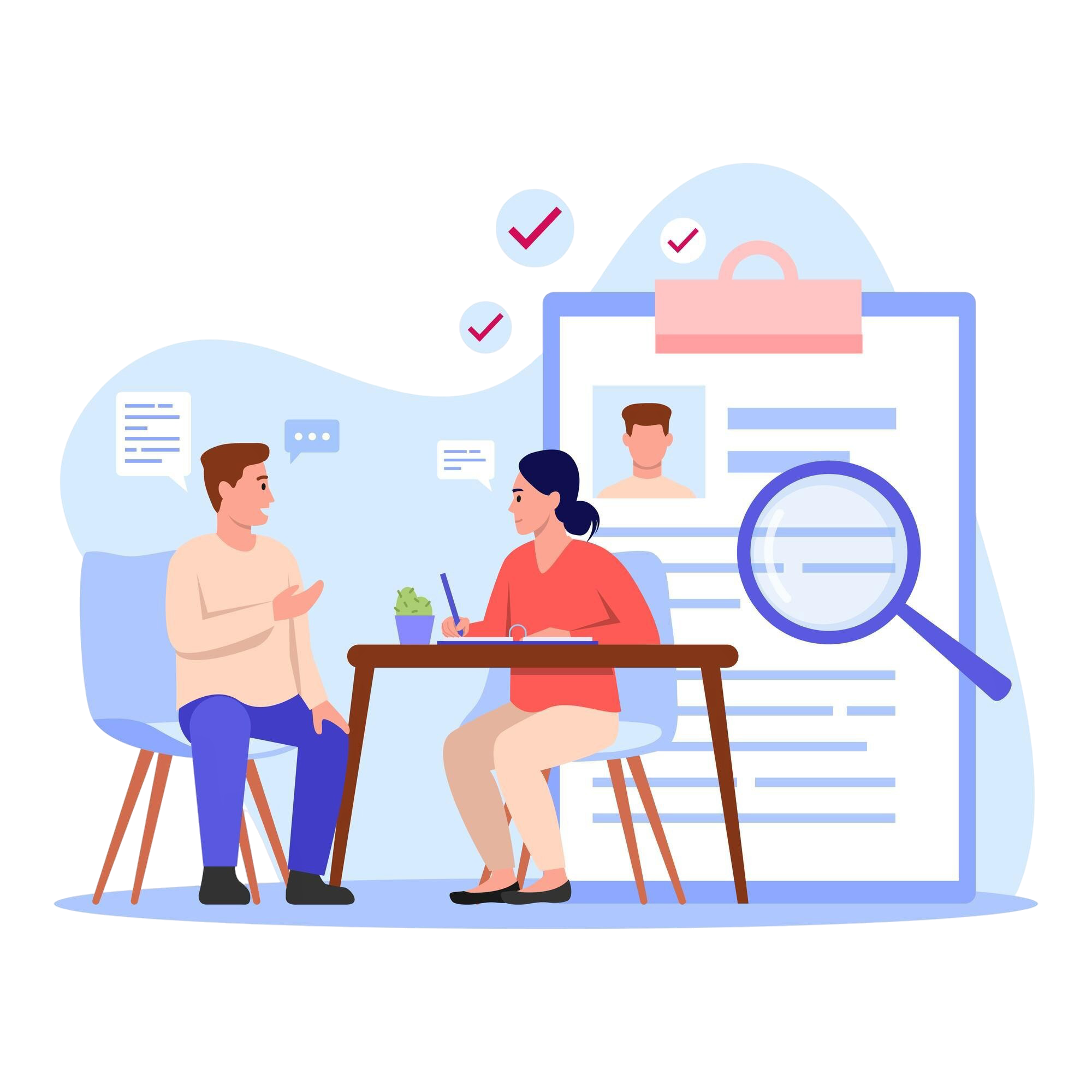
For example, the Phoenix Fire Department gives candidates 15 minutes to review questions before the firefighter oral board, which will take around 20 minutes. The Los Angeles Fire Department, meanwhile, describes a behavior-based interview conducted by a panel of two to three members.
Not every department provides specific details on what you can expect, but some preparation beforehand can help you feel more equipped for interview day.
What Do Firefighter Interview Panels Assess?
The firefighter oral interview is a way for the team to learn more about your experience, motivation, and communication skills. However, every department will have its own specifications.
Here is a general guide to some skills that may be assessed:
- Problem-solving and decision-making: How you approach challenges, assess situations, and make decisions.
- Teamwork: Your ability to cooperate with colleagues, respect different perspectives, and contribute to a team.
- Communication: How clearly you explain your experiences, decisions, and ideas.
- Motivation and commitment: Why you want to become a firefighter and your understanding of the role.
- Adaptability: How you respond to unfamiliar situations, changing priorities, and challenges.
- Integrity and accountability: Your willingness to take responsibility for your actions and demonstrate sound judgment.
- Community service: Your commitment to helping others and serving people from different backgrounds.
Again, this can vary from state to state. You should check the specific guidelines for your chosen department as part of your firefighter interview prep.

Firefighter Interview Prep: How JobTestPrep Can Help
JobTestPrep's AI firefighter interview prep includes expert-written preparation guides, realistic oral board practice, and personalized feedback. Instead of simply reading sample questions, you can practice delivering answers, review your performance, and identify areas for improvement before your interview.
The Firefighter Interview PrepPack includes the following features:
- Expert-written preparation guides: Three guides covering techniques for making a strong impression, common interview questions and answering strategies, and psychological insights from an occupational psychologist.
- Full firefighter interview prep simulation: Practice a complete mock firefighter panel interview, with questions focused on entry-level oral boards. You can upload your target department's job posting to tailor the experience and receive AI-generated feedback on your responses to scenario-based, ethical, and situational questions.
- Single question practice: Work through individual questions from the interview question bank, allowing you to focus on specific areas that you wish to improve.
- AI-powered scoring & feedback: You will be scored on relevance, clarity, coherence, completeness, and domain knowledge. The AI will also provide explanations of how your answers are evaluated. This helps you understand where your responses could be improved.
- Flexible answer formats: Respond using text, audio, or video, and switch between formats within the same practice session.
These features provide a more structured way to practice for your firefighter panel interview.
Practice Your Firefighter Oral Board With AI
Build confidence in your answers with a realistic firefighter panel interview simulation. Practice responding to questions aloud, receive personalized AI feedback, and identify areas to improve before interview day.
How to Prepare for a Firefighter Interview
Firefighter interview prep can help you practice your communication skills, explain your motivation, and think of examples more clearly during the oral board.
Follow these 6 firefighter interview tips:
1. Research Your Chosen Fire Department
Start by reviewing the department's official website, recruitment guidance, and firefighter job description.
This research will help you explain why you want to join that particular department rather than giving a generic answer about becoming a firefighter.
2. Prepare Examples from Your Own Experience
Think about specific situations that reflect qualities relevant to firefighting, such as teamwork, problem-solving, adaptability, communication, and helping others.

You don't always need previous firefighting experience to prepare meaningful examples. Instead, you can draw on examples from previous jobs, education, or everyday situations where you have demonstrated the necessary skills.
Consider situations where you resolved a disagreement, learned a new skill, supported someone, or responded to an unexpected challenge. Focus on what you personally contributed and what you learned.
3. Use the STAR Method to Organize Your Answers
The STAR method is a useful technique for structuring answers to behavioral interview questions:
● Situation: Briefly explain the circumstances.
● Task: Describe your responsibility or the challenge you faced.
● Action: Explain the specific steps you took.
● Result: Describe the outcome and what you learned.
Please keep in mind that STAR is a useful preparation technique. It is not a required firefighter interview format or an official department scoring system.
4. Practice Answering Questions Aloud
Reading sample questions can help you understand what to prepare for, but speaking your answers aloud gives you a better opportunity to assess how well you communicate.
You can record yourself and listen for unclear explanations, unnecessary details, or important information you've left out.
5. Complete Mock Interviews and Review Your Feedback
A mock firefighter interview allows you to practice responding to questions in a more realistic setting. You could ask a mentor to conduct an interview, record a practice session, or use an AI-powered simulation.
JobTestPrep's AI firefighter interview simulation can provide scored feedback on relevance, clarity, coherence, completeness, and domain knowledge. This gives you specific areas to work on before your next practice session.
6. Prepare for Interview Day
Check your chosen department's official instructions before attending, as the specific requirements may be different depending on the department.
For example, the Los Angeles Fire Department recommends arriving at least 15 minutes early and dressing as you would for an office job, and avoiding “yes” or “no” answers when possible. Meanwhile, the Las Vegas Fire Department advises you to dress appropriately, avoid wearing strong perfumes and to leave any electronic devices at home.
Preparing in advance helps you understand what the department expects so that you go into the interview with more confidence.
Ready to Put Your Firefighter Interview Skills to the Test?
Practice with a realistic firefighter oral board simulation, refine your answers with personalized AI feedback, and build confidence before interview day.

What Are Common Firefighter Interview Questions?
Firefighter interview questions consider your background, motivation, previous experiences, and approach to challenging situations. Preparing for different question types can help you identify relevant examples and practice explaining your decisions clearly.
Here are four useful categories to prepare for:
- Background and experience questions: Diving into your work history, education, training, and motivation for becoming a firefighter. For example, “Why do you want to join this fire department?”
- Behavioral questions: Ask how you handled situations in the past. For example, “Tell us about a time you worked with others to solve a difficult problem.”
- Situational questions: Present hypothetical situations to explore your judgment and problem-solving approach. For example, “How would you respond if you disagreed with a colleague about an important task?”
- Ethical questions: Explore your approach to honesty, responsibility, and professional conduct. For example, “What would you do if you witnessed a colleague behaving dishonestly?”
These are just examples and are not verified questions used by a particular fire department.
For example, the City of Miami Fire-Rescue Department will ask candidates questions related to specific scenarios where you should draw on your own experience and situations.
Based on this approach, useful practice questions might include:
- Tell us about a time you worked with others to overcome a difficult challenge. What was your contribution?
- Describe a situation where you had to make an important decision under pressure. How did you approach it?
- Give an example of a time you took responsibility for a mistake. What did you learn?
Rather than memorizing scripted responses, focus on explaining what happened, what actions you took, and what you learned. Practicing these examples aloud can help you communicate your experience clearly and identify areas where you need to elaborate.

What Are Common Firefighter Interview Mistakes to Avoid?
Common firefighter oral interview mistakes include giving vague answers, leaving out important details, relying on memorized responses, and failing to research the department.
Here are some of the most common firefighter interview mistakes:
- Using hypothetical answers for behavioral questions. When asked to describe a previous experience, avoid explaining only what you would do. Instead, provide a real example from work, education, volunteering, or another part of your life.
- Leaving out important details. Describing a challenging situation without explaining your actions or the result can make your answer difficult to follow. Include what you personally did, what happened afterward, and what you learned from the experience.
- Giving generic answers about your motivation. “I want to help people” may be a true statement, but it doesn’t explain why you've chosen firefighting as your career path. Your motivation should connect to specific experiences.
- Rambling or repeating information. Long explanations can make it harder to identify your main point. Listen carefully to the question, organize your response, and focus on the details that demonstrate your abilities.
- Speaking negatively about previous employers or colleagues. Avoid turning questions about difficult experiences into personal criticism. Explain the challenge professionally, describe how you responded, and focus on what you learned.
- Failing to research the fire department. Generic answers about wanting to become a firefighter may not show why you're interested in that particular department. Review the department's official website, recruitment information, and responsibilities so you can explain your motivation more specifically.
Try to avoid these mistakes by practicing answering the questions aloud beforehand. Review whether each answer directly addresses the question, includes enough supporting detail, and communicates your reasoning clearly.
Get AI-Powered Feedback & Perfect Your Interview Performance
Reading sample firefighter interview questions is a useful starting point, but practicing your answers aloud can help you identify gaps in your responses.
JobTestPrep's AI firefighter interview prep lets you complete a mock oral board and receive scored feedback to simulate how a panel would review a real interview.
Use this feedback to refine your responses and focus on areas that need improvement before interview day.
Explore the Firefighting Recruitment Process by Department
Firefighter hiring requirements vary by department and location. Explore the department-specific guides below to learn about the written exams, eligibility requirements, and recruitment stages you may need to complete before reaching the interview.
- LAFD (Los Angeles Fire Department)
- FDNY (Fire Department of New York)
- LACoFD (Los Angeles County Fire Department)
- Phoenix Fire Department
- Louisiana Firefighter Civil Service
- MA (Massachusetts) Firefighter Exam
- CFD (Chicago Fire Department)
- Virginia Firefighter Exam
- NJ (New Jersey) Firefighter Exam
- North Carolina Firefighter Exam
- Texas Firefighter Exam
- Ohio Firefighter Exam
- Washington State Firefighter Exam
- Oklahoma Firefighter Exam
- Illinois Firefighter Exam
- Fire Departments in Canada
Looking for a Specific Firefighter Written Exam Practice?

Firefighter Interview FAQs
To prepare for a firefighter interview, research your chosen department, understand the recruitment requirements, and think of personal examples that show you have the relevant skills. Practice answering behavioral, situational, and ethical questions aloud in a natural way rather than memorizing a script. You can also use the STAR method to organize past experiences and complete mock interviews to figure out which areas need improvement.
A firefighter oral board is a structured panel interview that evaluates candidates' suitability for the role. Interview formats vary by department. For example, the Los Angeles Fire Department uses a two- to three-member interview board and evaluates qualities such as communication, problem-solving, teamwork, adaptability, and motivation.
Firefighter interview questions often explore your motivation, previous experiences, teamwork, and how you approach challenging situations. Useful practice categories include behavioral, situational, ethical, and background questions. For example, you might practice explaining how you resolved a disagreement or why you want to join a particular department. These are just examples and are not confirmed questions. Always review your target department's official guidance.
There is no quick solution to passing your oral board because fire department interviews are structured differently. Research the department, choose relevant examples from your experience, and practice explaining your actions and decisions clearly. Avoid vague or overly brief answers, and review feedback from mock interviews. Follow your department's instructions rather than assuming every oral board uses the same scoring criteria. For more firefighter interview help, consider a mock test, such as JobTestPrep’s Firefighter Interview PrepPack.
Yes. JobTestPrep's AI Firefighter Interview Prep allows you to practice oral board questions using audio or video responses, as well as text. You can complete a full mock firefighter panel interview or focus on individual questions. The platform provides AI-generated feedback on relevance, clarity, coherence, completeness, and domain knowledge, helping you identify areas to improve before your interview.
Practicing aloud and reading offer different benefits. Reading helps you understand possible topics, while spoken practice lets you assess how clearly you explain your experiences and decisions. Recording yourself or completing a mock interview can reveal missing details, repetition, and unclear explanations. Combining both approaches gives you opportunities to prepare your ideas and refine how you communicate them.
If the panel invites questions, consider asking about training, expectations for new recruits, or professional development. For example, “What qualities help new firefighters succeed in your department?” Choose questions that haven't already been answered in the recruitment materials. Not all departments invite questions, so follow the interviewers’ instructions.
Wear clean, professional clothing and follow your department’s dress code. The Los Angeles Fire Department advises candidates to dress as they would for an office job. Remember, you are trying to make a good impression, so plan your outfit ahead of time and dress appropriately.
Yes. JobTestPrep offers a money-back guarantee, subject to its refund policy.
Refunds may be granted in the following circumstances:
- Content mismatch: The PrepPack doesn't match your actual test. A full or proportional refund may be provided as needed.
- Technical issues: Website or software problems prevented you from accessing the product.
- Unused product: You haven't used the product at all.
To request a refund, complete the refund request form linked in JobTestPrep's Terms & Conditions.
Taking a Firefighter Aptitude Test? Find the Right Prep


