What is a Transportation Security Officer? [2026 Role Guide]
Updated: February 1st, 2026
Every day, while millions of Americans rush through airport security checkpoints, a dedicated team of federal professionals stands between them and potential threats. These aren't just people checking IDs and scanning bags. They're Transportation Security Officers, and they form one of the most critical lines of defense in our nation's security infrastructure.
If you've ever considered a career that combines public service, federal benefits, and genuine daily impact, the TSO role might be exactly what you're looking for. Here's everything you need to know about this rewarding career path in 2026.
Transportation Security Officers (TSOs) are federal employees working for the Transportation Security Administration, a division of the Department of Homeland Security. But what does that really mean for your day-to-day work?
TSOs protect travelers across all transportation sectors with professionalism and courtesy. Your responsibilities extend far beyond what most people see at airport checkpoints. You could find yourself securing high-profile events, protecting important figures, or safeguarding critical infrastructure that keeps America moving.
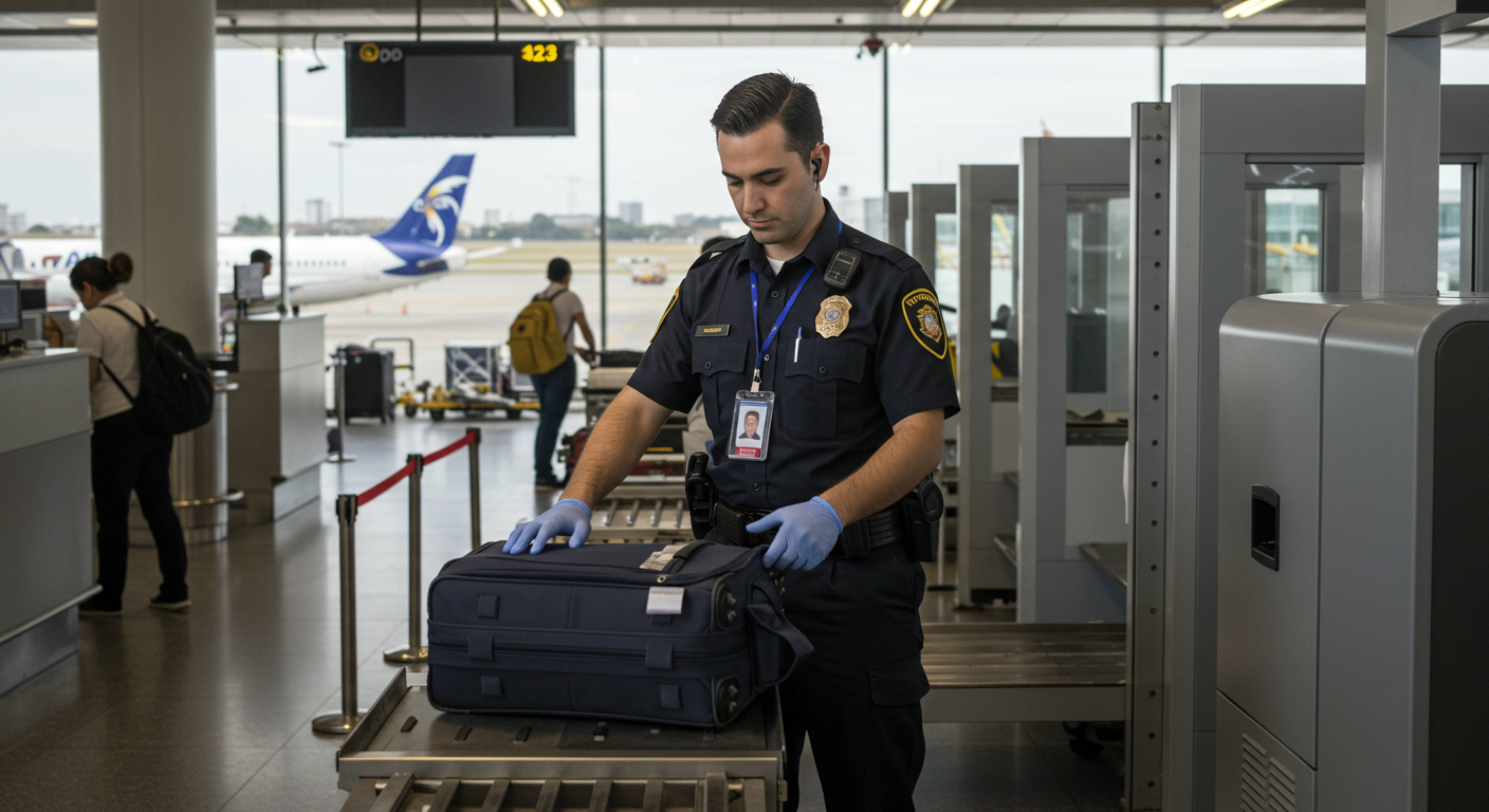
The official TSA career page calls TSOs "the face of the agency," and for good reason. You're the first person travelers interact with when they enter the security environment. For thousands of federal employees, this frontline position launched careers they never imagined possible.[^2]
Forget any assumptions about this being monotonous work. The reality of a TSO's day involves constant engagement, quick thinking, and meaningful responsibility.
You'll work with cutting-edge screening equipment that most people only see from the other side. X-ray machines reveal the hidden contents of carry-on bags, advanced imaging technology screens passengers for concealed threats, and explosive trace detection systems identify dangerous materials invisible to the naked eye.
The skill here isn't just pushing buttons. You're analyzing complex X-ray images in real-time, distinguishing genuine threats from false alarms, and making split-second decisions that keep people safe. Every bag that passes through your checkpoint represents a puzzle you need to solve quickly and accurately.
Unlike many federal positions that keep you behind a desk, TSOs engage directly with the traveling public all day long. You'll guide confused travelers through security procedures, answer countless questions, calm nervous flyers, and occasionally deal with frustrated passengers running late for flights.
This human element makes the job challenging and rewarding in equal measure. You need patience, clear communication skills, and the ability to maintain your professionalism even when someone's having their worst travel day. But you'll also share moments of connection: helping an elderly passenger navigate the process, reuniting a child with a forgotten stuffed animal, or simply being the calm, reassuring presence someone needs in a stressful moment.
When screening equipment indicates a potential threat, you move from observation to action. You'll conduct pat-down procedures following strict protocols, physically inspect suspicious bags, and handle passenger property with care and respect. The role requires genuine physical capability—you'll lift and carry items up to 50 pounds repeatedly throughout your shift.
This isn't warehouse work, though. Every search you conduct could be the one that stops a genuine threat. That knowledge adds weight and meaning to physical tasks that might seem routine on the surface.
You control access to secure areas of airports, ensuring only properly screened passengers and authorized personnel cross that threshold. This responsibility demands constant vigilance. You can't afford to zone out or go through the motions—complacency creates vulnerabilities that threaten everyone.
The pressure of this responsibility might sound daunting, but most TSOs find it energizing. There's something fundamentally satisfying about knowing your alertness and attention to detail directly contributes to public safety.
The Transportation Security Administration doesn't just hire warm bodies. They look for specific qualities that make someone excel in this unique role.
You genuinely enjoy helping people, even when they're stressed or difficult. Public service isn't just a buzzword to you; it's a calling that gets you out of bed in the morning.
You stay cool under pressure. When alarms sound or situations escalate, your heart rate might spike, but your mind stays clear and focused on procedures.
You notice details others miss. While scanning X-ray images or watching passenger behavior, you spot the small inconsistencies and anomalies that could indicate problems.
You adapt quickly to change. When threat assessments shift or new equipment arrives, you're already learning the new procedures instead of resisting the change.
You work well in teams. Your fellow TSOs aren't just coworkers. They're the people you rely on during busy rushes and tense moments. You support them, and they support you.
You're physically active. Sitting at a desk all day sounds boring to you. You'd rather be on your feet, moving, engaged with your environment.
Early mornings or late nights don't faze you. You understand that security never sleeps, and you're willing to work when airports need coverage, not just when it's convenient.
Federal benefits that actually matter. Health insurance, retirement plans, paid training, and job security that private sector positions rarely match. You're building toward a stable future from day one.[^3][^9]
Clear paths to advancement. This isn't a dead-end job. TSOs regularly advance to Lead TSO, Supervisory TSO, or specialized positions like canine handler. Some transition to Federal Air Marshal roles or move into mission support positions throughout the Department of Homeland Security.[^7][^10]
Work that means something. Every shift, you're directly contributing to national security and public safety. That's not corporate speak. It's the genuine reality of what you do.
Team camaraderie. When you work alongside the same officers day after day, handling stressful situations together, real bonds form. Many TSOs cite their coworkers as one of the job's best aspects.
Continuous learning. Security evolves constantly, which means you're always developing new skills and mastering new technologies. The work never becomes completely routine.
Irregular scheduling. Airports operate 24/7, which means you'll work early mornings, late nights, weekends, and holidays. Building a social life around constantly shifting schedules takes effort.
Physical demands. Standing for hours, repeatedly lifting heavy bags, and maintaining alertness through long shifts takes a toll on your body. You need to be physically fit and stay that way.
Repetitive elements. Yes, every day brings variety, but you'll also screen hundreds of bags that contain nothing threatening. Maintaining focus during routine operations requires discipline.
Dealing with difficult people. Most travelers are polite, but you'll encounter rude, impatient, or confrontational passengers. Remaining professional regardless of how someone treats you isn't always easy.
Your Career Trajectory: Beyond the Checkpoint
Starting as a TSO doesn't mean staying at a checkpoint forever. The position opens doors throughout the federal security landscape.
Lead TSO positions put you in charge of checkpoint operations, coordinating officer assignments and making real-time operational decisions. You become the person other officers look to for guidance.
Supervisory TSO roles expand your responsibility to multiple checkpoints and broader operational areas. You're managing people, ensuring protocol compliance, and making decisions that affect airport security operations.
Training Instructor positions let you shape the next generation of TSOs, teaching at academies or providing ongoing training at airports nationwide.
Canine Handler opportunities combine security work with working alongside explosive detection dogs—a specialized role many TSOs aspire to.
Your TSO experience qualifies you for positions you might not expect:
Federal Air Marshal roles often go to former TSOs who understand aviation security intimately and want to take the next step in law enforcement.
Mission Support careers throughout TSA need people who understand operations from the inside. Program analysts, HR specialists, and contracts specialists who can make informed decisions because they've lived the frontline reality.
Other DHS agencies value TSO experience. Customs and Border Protection, Immigration and Customs Enforcement, and other homeland security organizations recognize the skills you've developed.

Before you get too excited, make sure you meet the basic requirements outlined by the Transportation Security Administration:
The background check is thorough. They'll examine your criminal history, employment record, financial history, and personal references. The medical evaluation ensures you can handle the physical demands. These aren't arbitrary hurdles; they're necessary safeguards for a position with genuine security responsibilities.
Maybe you're reading this thinking, "This actually sounds perfect." Or maybe you're realizing it's not quite the right fit. Either reaction is valuable.
You value public service over chasing the highest salary. You thrive in structured, team-based environments. You stay focused during repetitive tasks. Irregular schedules don't disrupt your life. You're physically active and want to stay that way. You see federal employment's stability and benefits as major advantages. You want a career with clear advancement potential.
You need predictable 9-to-5 hours. You prefer work that varies dramatically day to day. Repetitive elements bore you quickly. Standing for hours sounds physically exhausting. You need considerable personal space. Weekend and holiday work seems like a dealbreaker.
If the Transportation Security Officer role resonates with you, the path forward is straightforward—and the first step is crucial.
Visit the official TSA jobs portal to search current openings at airports near you. The Transportation Security Administration posts positions regularly as staffing needs evolve. You can search by location to find opportunities at specific airports.
The complete hiring process typically takes about 90 days and includes several stages: submitting your USAJOBS application, passing the Computer-Based Test, receiving a tentative offer, completing the Airport Assessment interview, passing medical evaluation and drug screening, clearing the background investigation, and finally entering the Ready Pool to await your final offer.
Here's where many qualified candidates stumble: the Computer-Based Test represents your first major hurdle. This assessment evaluates whether you have the aptitude for the visual analysis that screening operations demand.
The test comes in two versions: a traditional format testing X-ray image interpretation and English skills, or a shorter version assessing spatial reasoning and cognitive abilities. Either way, you need to pass it to advance in the hiring process.
The challenge? The CBT has a relatively low pass rate, and you only get two attempts with a six-month waiting period between them. Walk in unprepared, and you could be waiting half a year just for another chance. Fail twice, and the door closes permanently.
That might sound harsh, but it also means something important: proper preparation dramatically improves your odds. Most people who fail aren't less capable. They just didn't prepare adequately for the specific test format and question types.
Transportation Security Officers protect millions of travelers, screen countless bags, and maintain the security infrastructure that keeps America moving. It's demanding work that requires physical stamina, mental alertness, flexibility, and strong people skills.
But for those suited to the role, being a TSO offers something increasingly rare: a stable federal career with excellent benefits, clear advancement opportunities, and the daily knowledge that your work genuinely matters.
The checkpoints where TSOs work might seem like simple screening stations to passing travelers. But you'll know the truth—that every shift represents a crucial contribution to national security, performed by trained professionals who take their responsibility seriously.
If you're ready to join them, explore current openings at the official TSA careers portal and take your first step toward a career that combines service, security, and genuine purpose.